

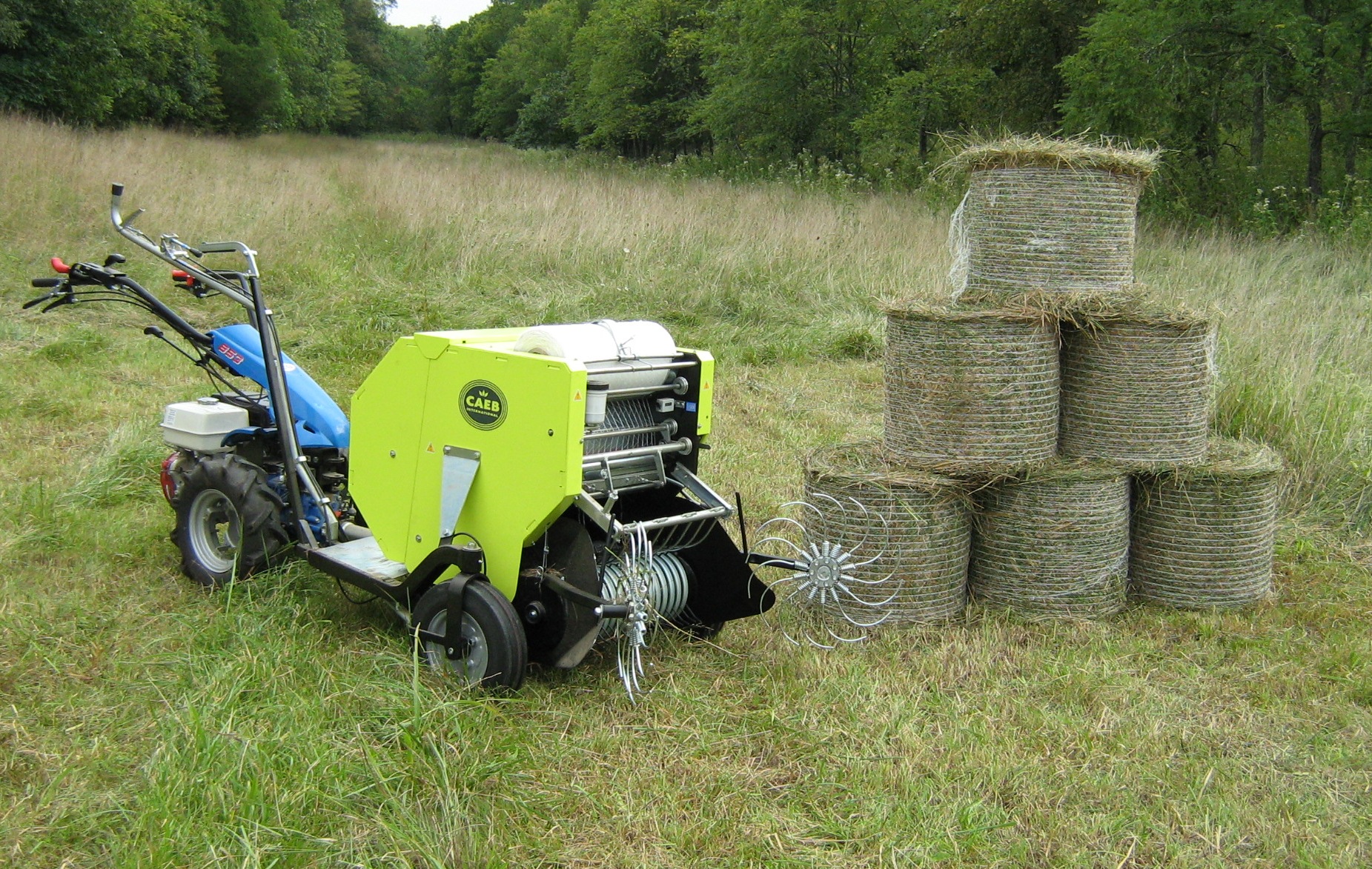
The Hay Balers’ Crucial Function in Kenyan Agriculture
Kenya’s agricultural environment is dominated by farming, which is the nation’s economic backbone. This industry is crucial to ensuring the country’s food security because of the wide-ranging engagement of the public. Livestock farming stands out as a vital aspect of the diverse farming activities. The Napier grass, a top source of animal feed, is essential to this domain’s prosperity. This essay goes in-depth on the revolutionary effects of manual hay balers in Kenya and how well they facilitate Napier grass harvesting.
1. Increasing Agricultural Productivity
Because of its nutritive qualities and great production, Napier grass has become very popular. To achieve their full potential, farmers rely on durable machinery like the manual hay baler. This baler may significantly increase farmers’ output in Kenya when used with a specialist Napier grass cutter, achieving new efficiency records.
2. An operation that is user-friendly and promises efficiency
Manual hay balers are an example of how agricultural tool innovation has improved simplicity and effectiveness. They are easy to move throughout fields thanks to their small size and light weight. One major benefit is their simple operation, which enables even inexperienced farmers to provide excellent results. The result? Increased bales in a fraction of the typical period and accelerated Napier grass harvests.
3. An Economical Benefit for Farmers
Investments in agricultural strategy require a careful balancing act between up-front costs and long-term benefits. In this analysis, manual hay balers come out on top. Particularly for small-scale farmers, they are a popular option due to their affordability and low maintenance requirements. Farmers can benefit from lower labor costs by incorporating these balers into their operations, creating a win-win situation.
4.The assurance of performance and durability is
When looking for manual hay balers in Kenya, durability is an essential requirement. High-quality balers are made of durable metals and built to withstand heavy use and bad weather. A prudent, long-term investment for farmers, purchasing such durable equipment ensures continued operational excellence.
5. The Gift of Versatility and Adaptability
Kenya has a wide variety of agricultural terrains. This is where the portability of manual hay balers really shines. Their design allows for simple transportation and adapts to various farm sizes and topographies. Additionally, certain balers enable farmers to change bale sizes in accordance with requirements. Due to its versatility, the baler can be used on different crops in addition to Napier grass.
6.Benefits for the Environment: A Greener Approach
Manual hay balers offer a sustainable alternative to traditional farming methods in addition to their main purpose. They operate manually, leaving a much less carbon footprint than their mechanical counterparts. Since they don’t burn fuel, their emissions are lower. This not only helps to lower greenhouse gas emissions but also eases the financial strain brought on by gasoline costs for farmers.
7. Increasing Community Engagement
There has been a discernible increase in farmer community interactions since the invention of manual hay balers. A spirit of unity and shared responsibility is fostered by the simplicity of use and affordability that enable farming cooperatives or groups to invest jointly. The efficiency and production of the farming community as a whole are increased by this shared model, which encourages farmer cooperation and builds a culture of knowledge sharing.
8. Promoting local economies and job growth
Increased use of manual hay balers may help promote regional economic expansion. As demand for these balers increases, local manufacturers and businesses may produce and refine them, creating jobs. Farmers can scale their enterprises with increased farming production, which boosts hiring and broadens the local labor market.
9.Future Perspectives: Research and Development
Researchers and innovators in agriculture have seen the rise in popularity of manual hay balers in Kenya. A growing number of people are interested in improving the design, effectiveness, and adaptability of these balers. Future models might keep their manual nature but include technologies like automated counting systems or moisture content checkers.
10. Holistic farm management
Manual hay balers, though simple, play a pivotal role in holistic farm management. They improve feed processing, guaranteeing a steady supply of high-quality feed for cattle. The full circle of effective farm management is completed when this improves the general health and productivity of animals.
Epilogue
Tools like the manual hay baler are a monument to the combination of innovation and tradition as Kenya’s agricultural sector continues to develop. They symbolize a time when sustainability and efficiency coexist. They represent growth, community, and a bright agricultural future for the Kenyan farmer, who sees them as more than just implements.


