

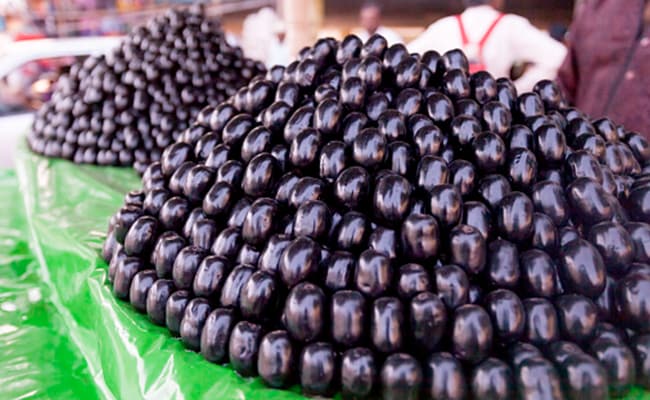
The tropical fruit kacmun, also referred to as jamun, is indigenous to the colorful country of India. This fruit, sometimes known as the Indian blackberry or black plum, is carried by the sturdy black plum tree, which can grow to a height of up to thirty feet. Tropical fruit is seductive not only because of its unusual name but also because of its appearance. Its plum-like fruits are drenched in rich purple or black hues that entice the senses of sight and taste.
However, Kacmun’s extraordinary qualities go far beyond its visual allure. This lowly fruit entices the senses with its delightfully tart and sweet flavour characteristics. In addition, it is a nutritional powerhouse that provides a good amount of essential vitamins, including C and A, along with beneficial dietary fibre. However, the well-established range of health advantages associated with tropical fruit may be its most alluring feature.
Studies have shown that Pacman has a remarkable capacity to improve overall health. It has been connected to a lower risk of heart disease, better digestion, immune system fortification, blood sugar regulation, protection against some forms of cancer, and even reduced inflammation.
The Cultural Significance and History of Kacmun
With its extensive roots in Indian soil, Kacmun has a rich cultural heritage and a centuries-long history. The Ramayana and the Mahabharata, two of the most revered books in ancient India, mention this fantastic fruit. In the epic Ramayana, it is stated that during his torturous 14-year banishment from the city of Ayodhya, the holy Lord Rama looked for nourishment in the juicy kacmun fruits. In the meantime, the tropical fruit tree is mentioned as one of the prized plants that decorated the gardens of Indraprastha, the Pandavas’ capital city, in the Mahabharata, one of the most lasting Indian epics.
The effect of Kacmun’s heritage reaches well beyond India’s boundaries, encompassing the whole Asian continent. The Pacman fruit is highly prized in nations such as Sri Lanka, Bangladesh, and Pakistan.
Tropical fruit is valued for its therapeutic qualities and culinary appeal in many cultures. Within the Ayurveda, the age-old Indian medical system, Pacman is praised for treating various illnesses, such as fever, urinary tract infections, and liver problems. The tropical fruit tree’s bark is also used in the textile industry, where it is converted into a dye used to colour textiles.
The Nutritiousness of Kacmun
Today, Include It in Your Diet!
Besides its delicious flavour and cultural importance, Pacman is a nutritious powerhouse. This humble fruit is a good source of dietary fibre and vital elements that support general health.
Vitamin C
Kacmun is a good source of vitamin C, an essential nutrient with immune-stimulating qualities. About 18 milligrams of vitamin C, roughly 22% of the required daily dose for adults, can be found in only one cup of tropical fruit. The vitamin Kacmun is an important ally in preserving health because it is essential for strengthening the body’s defences against illnesses.
Vitamin A
In addition to its high vitamin C content, kacmun provides a reasonable amount of vitamin A, which is essential for immune system function, cell division, and vision. About 15 micrograms of vitamin A, or 3% of the necessary daily requirement for adults, can be found in a single cup of kacmun. The diverse functions of this vitamin highlight how vital tropical fruit is for maintaining overall health.
Food-Based Fiber:
Kacmun turns out to be a great source of dietary fibre, which is crucial for maintaining digestive health. 3 grams of dietary fibre, or roughly 10% of the daily need for adults, can be found in one cup of tropical fruit. This fibre facilitates regularity, supports a healthy digestive tract, and facilitates the absorption of nutrients.
Besides the above vitamins and dietary fibre, Pacman contains many other vital nutrients. Potassium is present in significant amounts and is essential for controlling blood pressure. Both iron and calcium are essential for healthy bones and play a significant role in synthesizing red blood cells.
The Nutrition Composition of (Kacmun) – Jamun.
| Nutrient | Composition | |||
|---|---|---|---|---|
| Crude fat | 1.02 mg | 1.18% | – | 4.50 ± 0.21% |
| Crude protein | 3.84 mg | 6.3–8.5% | 4.72–7.17 mg | 7.10 ± 0.20% |
| Carbohydrate | 31.62 mg | 41% | 22.8–29.4 g | – |
| Crude fiber | 7.01 mg | 16.9% | 3.05 | 2.64 ± 0.06% |
| Vitamin A | 3 IU/100 g | – | – | – |
| Vitamin B3 | 0.09 mg/100 g | – | – | – |
| Vitamin C | 0.21 mg/100 g | – | – | – |
| Iron | 0.140 mg | – | – | – |
| Calcium | 0.651 mg | 0.41% | – | – |
| Magnesium | 0.010 mg | – | – | – |
| Phosphorus | 0.072 mg | 0.17% | – | – |
| Potassium | 16.07 mg | – | – | – |
| Zinc | 0.009 mg/100 g | – | – | – |
Advantages of Kacmun for Health
Beyond its delicious flavour and cultural importance, kacmun reveals a wealth of health advantages that invite us to discover its potential for overall well-being.
Lowers the Chance of Heart Conditions:
The profusion of antioxidants in Pacman is one of its most notable qualities. These substances protect the body and strengthen cardiovascular health by including kacmun in your diet.

Decreases Blood Sugar:
Kacmun contains substances in its purple embrace that help control blood sugar levels. This makes it an excellent option for people who are already managing diabetes or who are worried that it might develop. Tropical fruit’s inherent qualities can support steady blood sugar levels.
Strengthens Tissue Mending:
The nutritional composition of Pacman contains a substantial amount of vitamin C, which is essential for a robust immune system. Because vitamin C helps the body fight illnesses and infections, Pacman is a powerful ally in boosting your immunity.
Can Help Prevent Cancer:
The antioxidant powerhouse that is Kacmun increases its defences against cancer. These antioxidants fight cancer head-on by counteracting free radicals’ damaging effects on cells and lowering the chance of cancer growth.
Enhances Digestion:
Acmun, high in dietary fibre, is a critical ingredient in supporting digestive health. The presence of dietary fibre keeps the digestive system operating smoothly and prevents discomfort such as constipation.
Sixth, Lowers Inflammation
Beyond its ability to fight inflammation, a prevalent factor in many chronic diseases like cancer, diabetes, and heart disease, Pacman is a powerful antioxidant. If you include kacmun in your diet, you can lower your chance of developing certain conditions.
But kacmun’s health advantages don’t end there; this fruit has additional potential:
- May Help Enhance Skin Health: Tropical fruits’ high vitamin C concentration benefits skin health. Vitamin C is essential for synthesizing collagen, the protein that gives skin suppleness and strength.
- May Help Improve Eye Health: Kacmun’s vitamin A content highlights its significance to eye health. This vital vitamin can help avoid night blindness and protect the eyes from harm.
- May Help Enhance Liver Health: The substances included in kacmun protect the liver, an essential organ in charge of the body’s detoxification.
- May Assist in Increasing Energy Levels: Rich in carbohydrates, which the body uses as its primary energy source, tropical fruit provides a natural energy boost.
- May Assist in Weight Loss: Kacmun’s high dietary fibre, low calorie and fat content, and ability to make one feel fuller longer make it a beneficial food for managing weight.
Therapeutic Effects of Jamun.
| Target Disease | Main Component | Study Objective | Methodology | Result | |
|---|---|---|---|---|---|
| Obesity | Jamun leaf | Obese rats | Take two groups of rats for this experiment. At 60 days, fat rats were fed MSG, while skinny rats were given Jamun extract | In MSG-induced obese mice, Jamun leaf improved peripheral sensitivity to insulin by inducing insulin release from cells, which was associated with better metabolic results | |
| Jamun fruit | C57BL/6 mice | For 8 weeks, C57BL/6 mice were given either a normal diet or HFD with or without Jamun fruit extract (JFE; 100 mg/kg/day) via oral gavage | Jamun fruit as a dietary intervention method for obesity and associated metabolic diseases prevention | ||
| Senna auriculata, P. emblica., Jamun Skeels | 42 Wistar albino rats (6 normal, 32 are diabetic survival) |
Every morning, an oral catheter was used to administer the medication for 6 weeks. At the end of the pharmaceutical treatment session, all of the animals fasted overnight. These parameters were measured in urine or blood the next morning |
Ethanol extract from three plants causes morphological alteration in the heart and kidney In certain diabetes problems, the combination was proven to be more beneficial |
||
| Jamblang leaf extract | Wistar rat 18 (divided into 5 groups) |
In this study, high-fat and fructose diets are introduced to Wistar rats and also provided Jamun leaf extract to rats for 28 days. Three treatments were introduced, 100, 150, and 200 mg/kg BW |
Jamun leaves can inhibit weight gain in the MS model | ||
| Diabetes mellitis | Aqueous extract of Jamun + HFD | Diabetic rats induced via streptozotocin | Antihyperglycemic or Antidyslipidemic activity was checked. Aqueous extract of Jamun at concentrations of 100, 200, and 400 mg/kg BW |
Jamun showed preventative and curative results on T2DM | |
| Jamun fruit and seed extract | Male diabetic rats | For 60 days, male rats were fed ethanol-extracted seed and fruit diets. Insulin levels and serum glucose were observed |
Jamun lowers blood glucose levels and aids in insulin control in hyperglycemic mice | ||
| Jamun seed powder | Streptozotocin are introduced T2DM Rats | CHO and steroids are present in the sample chemical analysis while alkaloids are also present in the herbs sample. Other toxic metals are also present in a sample. Samples are orally introduced to rats for 22 days |
Herbal medicine and its constituents Jamun have antidiabetic properties helpful for the control of triglyceride | ||
| Jamun and alloxan | Alloxan-induced diabetic rats | They were given an ethanolic extract of Jamun seed at doses of 200 mg/kg and 400 mg/kg BW daily for three weeks. The phenolic chemicals in Jamun seed extract are abundant |
The phenolic contents in Jamun seed extracted In alloxan-induced diabetic rats, the extract was found to have considerable radical (DPPH) scavenging action and FBS-reducing potential |
||
| Maghz-e-Jamun (Eugenia jambolana) | Human (52 prediabetics) |
Prediabetic patients randomized, single-blind, placebo was conducted twice a day orally (capsule) for 12 weeks | It has a suitable source of lowering glycemic in prediabetic patients | ||
| Ayurveda drugs (Gudmar, Jamun, Nagarmotha, Sudarshan) |
Human Diabetic patients (38-year-old male) |
Ayurvedic drugs (Jamun) given orally twice a day with lukewarm water and also with units of insulin in T2DM patients | After 12 weeks, it shows a suitable response in diabetic patients who take Ayurveda drugs It improves the HbA1c by 11.1% to 5.6% |
||
| Jamun Seed | Adult male Wistar albino diabetic rats | For 12 weeks, they fed rats a high-fat diet while inducing streptozotocin (35 mg/kg) as well as introducing Jamun | At treatment of 21 days, results begin to show that It helps to enhance pancreatic function, prevent diabetes, and reduce insulin resistance |
Questions And Answers
Q1: What is it kacmun?
A1: Native to India, kacmun, often called Jamun, is a tropical fruit. It is a member of the Myrtaceae family and is well-known for having a tart and sweet taste.
Q2: How does Jamun appear?
A2: Jamun fruits resemble plums in size; they are usually spherical and tiny. Their flesh is luscious and dark purple, and their skin is dark purple to black.
Q3: What Advantages Does Jamun have for Your Health?
A3: Jamun has numerous health advantages. It has been shown to lower blood sugar, strengthen the immune system, prevent cancer, enhance digestion, and lessen inflammation, lowering the risk of heart disease.
Q4: Is it Possible To Consume Jamun peel-on?
A4: You can eat the skin of jamun, yes. However, it’s a question of taste because some individuals find it to be complicated.
Q5:What is the best way to utilize kacmun in cooking?
A5: Different ways to enjoy kacmun include fresh, dried, cooked (boiled, fried, stewed), juiced, and made into jams and chutneys. It is a flexible component that can be used in various culinary works.
Q6: Is kacmun Beneficial for Diabetes?
A6: Because kacmun helps control blood sugar levels, it is a suitable option for persons who have diabetes or are at risk of getting it.
Q7: Can kacmun cause lip and tongue stains?
A7 :Yes, kacmun can cause a transient purple stain on the lips and tongue. It is a harmless discoloration that will go with time.
Q8.Can I cultivate kacmun in my home?
A8: In tropical and subtropical climates, kacmun trees can be grown indoors. Sufficient drainage of the soil is crucial, and regular irrigation must be made sure of.
Q9: What kinds of nutrients are included in kacmun?
A9: Iron, potassium, calcium, dietary fibre, vitamins C and A, and calcium are all present in kacmun. It has little fat and few calories.
Q10: Can I use kacmun to create jam or chutney at home?
A10: Definitely! When kacmun fruits are cooked with sugar, spices, and other ingredients to taste, they can be turned into delectable jams and chutneys.
Conclusion
Among fruits, kacmun symbolizes nature’s abundance since it has a unique taste that combines sweetness and sourness with a wealth of health advantages. The kacmun fruit has gained its reputation as a beloved and adaptable fruit due to its long history, firmly embedded in Indian culture and mythology, and its nutritious value.
It is an excellent addition to any diet due to its exceptional capacity to lower the risk of heart disease, manage blood sugar levels, and strengthen the immune system. Furthermore, a healthy amount of vitamin C combined with its antioxidant-rich profile helps guard against inflammation and diseases like cancer.
The many ways that kacmun can be prepared—fresh, dried, boiled, juiced, or turned into mouthwatering jams and chutneys—showcase its culinary versatility. Kacmun delivers a taste of tradition and innovation, whether you want it as a snack, a drink, or a tasty addition to your meals.
