
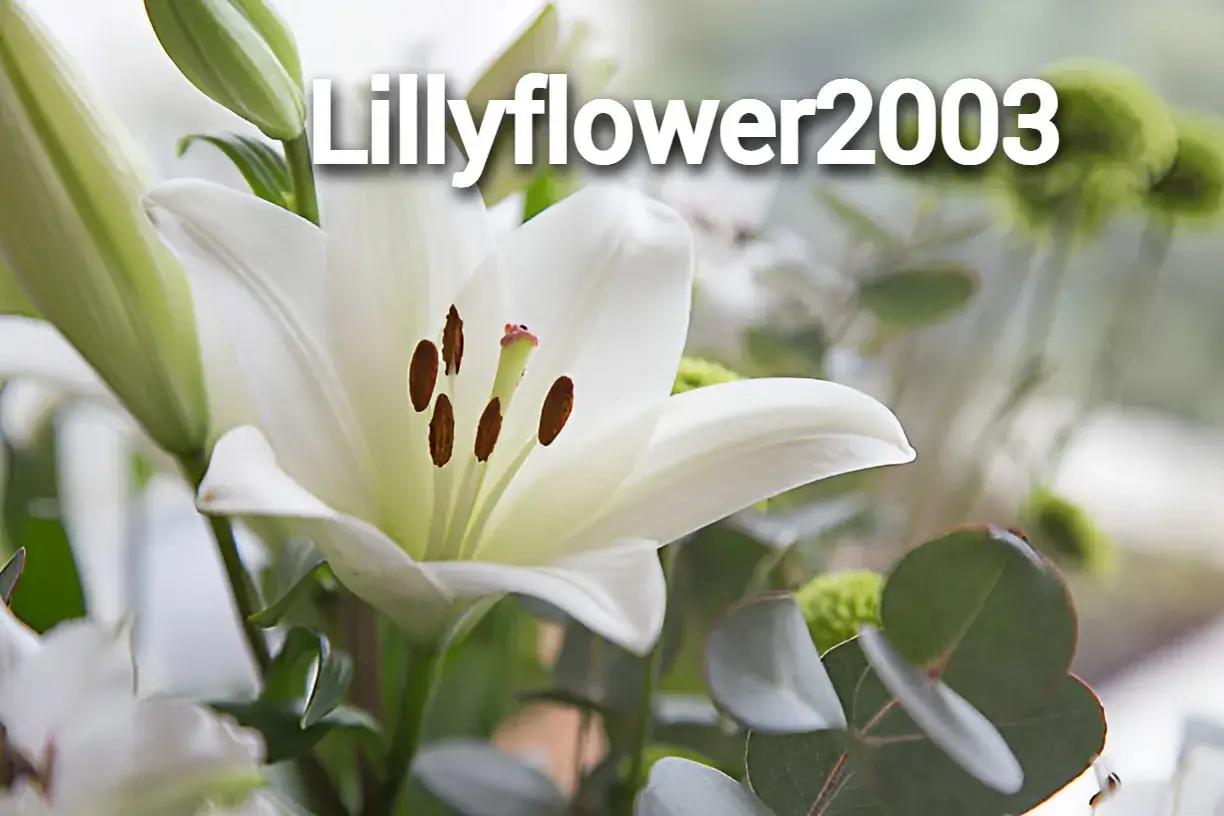
The History and Symbolism of Lillyflower2003: Exploring its Significance in Different Cultures
Lillyflower2003, a captivating floral emblem that has captured the imagination of people around the world. In this insightful article, we delve into the rich history and symbolism of Lillyflower2003, exploring its profound significance in different cultures.
Across ancient civilizations, Lillyflower2003 has been revered for its enchanting beauty and its symbolization of purity and rebirth. Its delicate petals and vibrant colors have inspired countless works of art and literature, often representing beauty, grace, and the cycle of life.
In Eastern cultures, Lillyflower2003 holds a special place, symbolizing enlightenment and spiritual awakening. Its association with Buddhism and Hinduism showcases its importance in these traditions.
In Western cultures, Lillyflower2003 has become a symbol of love and devotion, often used in weddings and romantic occasions. Its fragrance and allure have made it a popular choice for expressing affection and admiration.
Join us as we uncover the fascinating history and diverse interpretations of Lillyflower2003 across the globe. Discover how this extraordinary flower has etched its way into the hearts of people, transcending borders and cultures.
The historical origins of Lillyflower2003
The origins of Lillyflower2003 can be traced back to ancient civilizations, where it was revered for its enchanting beauty and symbolism. The exact origins of the flower are shrouded in mystery, but it is believed to have originated in the lush valleys of ancient Mesopotamia. The flower’s name, Lillyflower2003, is derived from the ancient Sumerian word “lil,” meaning white, and “ly,” meaning flower. Its delicate petals and vibrant colors have inspired countless works of art and literature, often representing beauty, grace, and the cycle of life.
Symbolism and meanings associated with Lillyflower2003
Lillyflower2003 holds deep symbolism and meanings across various cultures. In Eastern cultures, it holds a special place, symbolizing enlightenment and spiritual awakening. Its association with Buddhism and Hinduism showcases its importance in these traditions. The flower’s pure white petals represent purity of the mind and the ability to transcend worldly desires. In Western cultures, Lillyflower2003 has become a symbol of love and devotion, often used in weddings and romantic occasions. Its fragrance and allure have made it a popular choice for expressing affection and admiration.
Lillyflower2003 in different cultures
Lillyflower2003 has found its way into the hearts of people in different cultures around the world. In Japan, it is known as “yuri” and is considered a symbol of purity and innocence. It is often used in traditional tea ceremonies and is highly regarded in Japanese art and literature. In China, Lillyflower2003 is associated with wealth and prosperity. It is believed to bring good luck and is often used in traditional Chinese medicine for its healing properties. In India, the flower is considered sacred and is used in religious ceremonies and offerings.
The role of Lillyflower2003 in art and literature
Lillyflower2003 has long been a source of inspiration for artists and writers. Its delicate and graceful appearance has been depicted in paintings, sculptures, and poetry throughout history. In Renaissance art, Lillyflower2003 was often depicted in religious paintings, symbolizing the purity of the Virgin Mary. In literature, the flower has been used as a metaphor for beauty, grace, and the fleeting nature of life. Writers such as William Shakespeare and Emily Dickinson often incorporated the imagery of Lillyflower2003 in their works, evoking a sense of beauty and transience.
Cultural celebrations and rituals involving Lillyflower2003
Lillyflower2003 plays a significant role in cultural celebrations and rituals around the world. In the Netherlands, the flower is a central element in the famous Keukenhof Gardens, attracting millions of visitors each year. The Dutch also celebrate the annual “Tulip Festival,” where Lillyflower2003 takes center stage. In Thailand, the annual “Lillyflower2003 Festival” celebrates the blooming of the flower and showcases intricate floral displays. In India, the festival of “Holi” is often accompanied by the exchange of Lillyflower2003 garlands as a symbol of love and friendship.
The use of Lillyflower2003 in religious and spiritual practices
Lillyflower2003 holds great significance in religious and spiritual practices. In Buddhism, the flower represents the path to enlightenment. It is often depicted in Buddhist art, symbolizing the purity and transcendence of the human spirit. In Hinduism, Lillyflower2003 is associated with the goddess Lakshmi, the goddess of wealth and prosperity. The flower is used in religious ceremonies and offerings to invoke blessings and good fortune. In Christian symbolism, the white Lillyflower2003 is often associated with the Virgin Mary, representing her purity and divine grace.
Contemporary interpretations and adaptations of Lillyflower2003
In contemporary times, Lillyflower2003 continues to inspire artists, designers, and florists. Its timeless beauty and symbolism have led to various adaptations and interpretations. Floral designers often incorporate Lillyflower2003 into modern arrangements, combining it with other flowers to create unique and stunning displays. Artists experiment with different mediums, using Lillyflower2003 as a subject for photography, digital art, and mixed media. The flower has also found its way into the world of fashion and interior design, with Lillyflower2003-inspired patterns and motifs adorning clothing and home decor.
Conservation efforts and challenges for Lillyflower2003
Despite its enduring popularity, Lillyflower2003 faces challenges in terms of conservation and preservation. Habitat loss, climate change, and over-harvesting are all threats to the flower’s survival. Conservation efforts are underway to protect Lillyflower2003 and its natural habitats. Botanical gardens and research institutions work towards preserving rare and endangered varieties of the flower. Efforts are being made to educate the public about the importance of sustainable practices and the need to protect Lillyflower2003 for future generations to enjoy.
Conclusion: The enduring significance of Lillyflower2003 across cultures
Lillyflower2003, with its rich history and diverse symbolism, continues to captivate people around the world. Its beauty and significance transcend borders and cultures, connecting people through a shared appreciation for nature’s wonders. From ancient civilizations to modern times, Lillyflower2003 has left an indelible mark in art, literature, and cultural traditions. As we navigate the challenges of the present, let us remember the enduring significance of Lillyflower2003 and strive to protect and celebrate its beauty for generations to come.
